Colorado River Update
All Water is Precious in the Desert
Just like all our neighbors across Arizona, we at Arizona Water Company know that when you live in a desert, water is precious. As a water utility, we take every action necessary to preserve and protect our most precious water resources.
Read the FAQs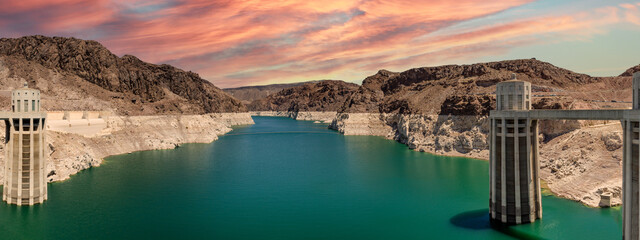
Drought Has Persisted
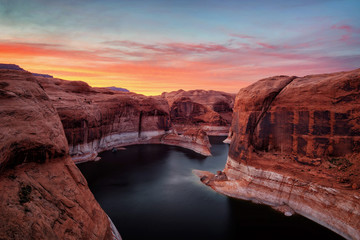
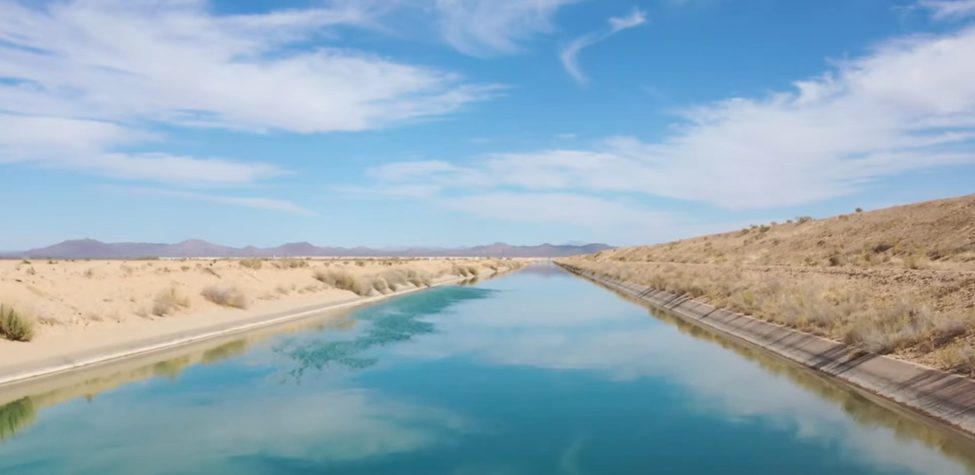
Historic drought conditions have persisted on the Colorado River for decades, causing water levels in both Lake Mead and Lake Powell to decline, impacting Arizona's continued access to Colorado River water provided through the Central Arizona Project.
Water Flowing Down the Colorado River is Declining
Water levels in both Lake Mead and Lake Powell are approaching dangerously low levels. Both reservoirs provide vital water supply and a sizable portion of electricity for the Southwest.
What Does This Mean for You and for AWC?
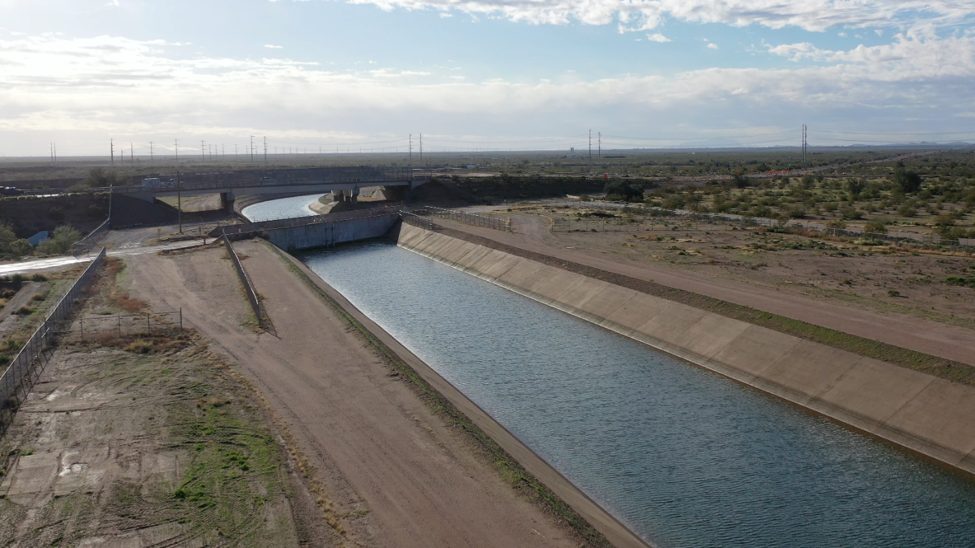
AWC has been planning diligently for years. All customers can continue to expect clean drinking water from their tap. On August 21, 2026, the Department of the Interior signed the 2027-2028 Operating Guidelines and Record of Decision for the Post-2026 Colorado River Operations EIS. New operations take effect October 1, 2026, alongside a broader 10-year decision framework that runs through 2036. Arizona’s access to water from the Colorado River will be reduced by 760,000 acre-feet.
What Can You Do?
Continue to practice smart water use. We have 14 water conservation programs (IDMPs) throughout our service areas. Efficient water use saves water for the future and saves you money.
Visit our water conservation page →
Arizona Water Company | Protecting Arizona's Lifeline
Frequently Asked Questions
Why is there a water shortage on the Colorado River?
The Colorado River basin has been in a prolonged drought for decades. The basin is experiencing the driest conditions in many years, with little relief from reduced winter snowpack and runoff. This is resulting in decreased flows on the Colorado River.
When were the Colorado River reductions for Arizona announced?
The Department of the Interior signed the 2027-2028 Operating Guidelines and Record of Decision for the Final Environmental Impact Statement on August 21, 2026. The new operating guidelines and framework will go into effect for 2027.
What are Arizona’s mandatory reductions to the Colorado River?
The Lower Basin states will face a combined mandatory reduction of 1.25 million acre-feet per year spread across Arizona, California, and Nevada. These mandatory reductions represent an approximately 27% cut to Arizona’s total CAP supply.
Arizona: 760,000 acre-feet
California: 440,000 acre-feet
Nevada: 50,000 acre-feet
Furthermore, these three states agreed to voluntarily conserve at least an additional 700,000 acre-feet over the next two years, as part of a broader push to leave more water in Lake Mead.
How will reductions to CAP water impact AWC?
If drought continues to worsen, and if the most severe new operating criteria are enacted, AWC could be forced to transition to recovered CAP water historically stored in central Arizona aquifers through groundwater pumping to offset the reductions to the CAP water.
Will I lose access to drinking water from AWC?
No. Arizona Water Company customers will not lose access to drinking water.
Will Arizona have enough water moving forward?
Yes. Many water providers, and the Arizona Water Banking Authority, have stored millions of acre-feet of water in underground aquifers that can be pumped. Since the 1980s, Arizona has mandated conservation and water-use reporting in the state's most populated areas. The 1980 Groundwater Management Act mandates a 100-year water supply for all new developments and water conservation mandates for municipal, industrial, and agricultural water users.
Is AWC exploring acquiring other water sources?
AWC is exploring a variety of alternative water sources to offset reductions to CAP water and to ensure the Company maintains a diverse and reliable water portfolio for the future.
What can I do to help conserve water?
Water conservation is an important way to help preserve all our water resources. If you want to learn more about water conservation and water-saving tips, please visit our water conservation page.
Still Have Questions?
Email AWC's Water Resources team at [email protected] to learn more.